
Health
Acatenango Altitude Sickness: Symptoms and How to Avoid It
· 6 min read
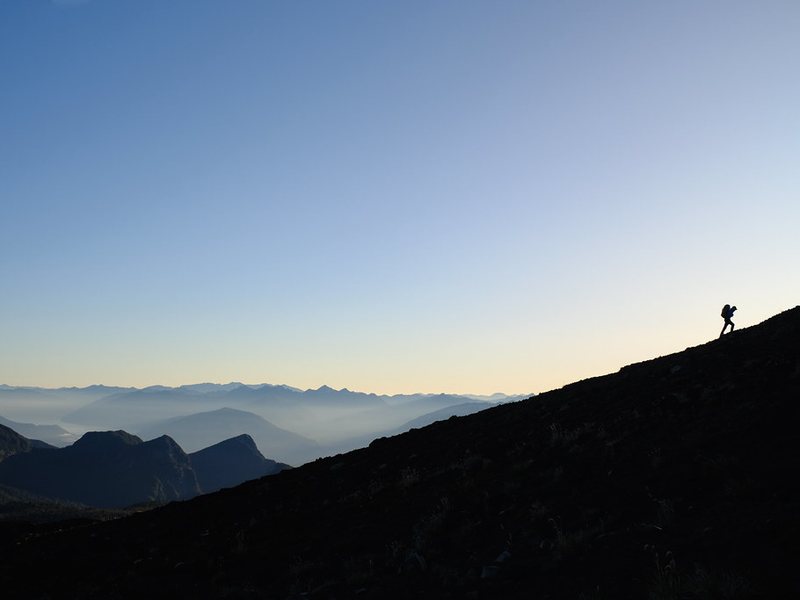
Altitude sickness is the most common reason hikers suffer on Acatenango. You go from Antigua at 1,530 m to sleeping near 3,600 m in a single day, faster than medical guidelines advise. Usually it means a headache, nausea and poor sleep that ease with rest or a short descent. Two nights in Antigua and a slow pace help most.
How high is Acatenango, and why does it matter?
The numbers: Antigua sits at about 1,530 m, the La Soledad trailhead at roughly 2,400 m, the usual camp near 3,600 m and the summit, Pico Mayor, at 3,976 m. The problem is not the summit, which you visit briefly before dawn. It is the altitude you sleep at.
Travel-medicine guidance from the US Centers for Disease Control and Prevention (CDC) suggests that above 3,000 m you raise the altitude you sleep at by no more than about 500 m a day. Acatenango raises it by about 2,000 m in one afternoon, and in the CDC’s risk table, sleeping above 3,400 m on the first night of an ascent from low altitude counts as high risk. Nobody can follow the textbook on a two-day hike, so what you do before and during the climb matters.
What are the symptoms of altitude sickness?
Acute mountain sickness (AMS) feels like a bad hangover. The main sign is a headache, together with at least one of these: loss of appetite, nausea or vomiting, unusual tiredness, or dizziness. It usually starts 2 to 12 hours after arriving at a new height, which on Acatenango means late afternoon at camp or during the night. Poor sleep is common at camp anyway, so pay attention to the headache.
Two rarer conditions are emergencies, and everyone in the group should know their signs:
- High-altitude cerebral oedema (HACE): confusion, stumbling or loss of coordination, unusual drowsiness. A simple check is walking heel to toe in a straight line; failing it is a reason to descend.
- High-altitude pulmonary oedema (HAPE): breathlessness at rest, a persistent cough, chest congestion, a sudden drop in performance. It can appear without a bad headache.
These are uncommon at Acatenango’s height, but they happen, and both are handled the same way first: go down, with help. Never wait for morning with symptoms that are getting worse.
Does fitness protect you from altitude sickness?
No. The CDC is explicit that physical fitness and training do not reduce the risk. Fit hikers sometimes suffer more, because they climb faster. Fitness makes the walk easier; it does not change how your body handles thin air. A previous episode of altitude illness and the speed of the ascent matter far more than your running times.
How to prevent altitude sickness on Acatenango
- Spend two nights in Antigua first if you are coming from sea level. At 1,530 m it is a useful first step, and it costs you nothing but time. Getting to Antigua covers the logistics.
- Walk slowly enough to hold a conversation. On our hike the guide sets a pace the whole group can hold, with frequent rest stops; use them.
- Drink steadily. We ask hikers to carry 4 litres: about three to drink and one for cooking at camp.
- Eat dinner at camp even without appetite. An empty stomach makes every symptom worse.
- Skip alcohol the day before and at camp. The CDC advises avoiding it for the first 48 hours at altitude.
- Ask your doctor about acetazolamide (often sold as Diamox) before you travel. It is prescription-only in many countries and has side effects, so it is a conversation for your doctor, not your guide.
- Carry a simple painkiller such as ibuprofen or paracetamol for headaches.
How does the altitude feel on the climb itself?
On the way up, most people notice the altitude as breathlessness rather than illness. On the scree above about 3,000 m, a pace that felt easy in the forest leaves you panting after a few dozen steps. That is normal and passes when you stop. Short steps, short and frequent rests and regular sips of water work far better than pushing hard and then stopping for a long time.
Why does it often feel worse at night?
Symptoms usually appear several hours after you arrive, which puts them in the evening or the middle of the night. Sleep at altitude is often broken anyway, and a cold tent does not help. Waking at 02:00 with a headache is common. Sit up, drink some water, take a painkiller if you have one, and tell your guide in the morning, or straight away if it is severe or getting worse.
What to do if you feel sick at camp
Tell your guide early. A mild headache that eases with water, food and a painkiller is common and usually fades by morning. If symptoms get worse despite rest, the answer is to stop climbing and go down: descending 300 m or more usually brings quick improvement, and guides on Acatenango take hikers down every season. It is not a failure; it is the treatment.
The other rule is just as simple: never go higher with symptoms that are getting worse. That applies directly to the next morning.
Should you skip the summit push?
The 04:00 summit push is optional. It adds about 400 m, up to 3,976 m, over 1.5 to 2 hours of climbing in the dark and cold. If you have a headache that has not eased, nausea, or you barely slept, stay at camp. Sunrise from camp is still a fine view, and you keep more in the tank for the 3 to 4 hour descent.
Who should talk to a doctor before the hike?
Anyone with heart or lung conditions, high blood pressure or a history of altitude illness, and anyone pregnant, should get medical advice first. We do not recommend the hike if you are pregnant, or if you have heart, back or untreated blood-pressure conditions. Travel insurance is not included in tour prices; check that yours covers hiking up to 4,000 m.
Altitude is one half of the challenge; the climb itself is the other, covered in how hard the Acatenango hike really is. For the other risks on the mountain, read whether Acatenango is safe. When you are ready, pick your date.
Frequently asked questions
- At what altitude does altitude sickness start?
- It becomes common when people sleep above about 2,500 m: the CDC reports that around a quarter of visitors sleeping above 2,450 m in Colorado get it. Acatenango’s camp is near 3,600 m, reached in a single day.
- How do I avoid altitude sickness on Acatenango?
- Sleep two nights in Antigua first, walk slowly, drink about three litres on the climb, eat at camp, skip alcohol, and ask your doctor about acetazolamide before you travel.
- Should I take Diamox for Acatenango?
- Ask a doctor. Acetazolamide (Diamox) can help prevent altitude sickness on fast ascents like this one, but it is prescription-only in many countries and has side effects. Guides cannot prescribe it.
- What are the danger signs at camp?
- Confusion, stumbling, extreme drowsiness, or breathlessness at rest. These can signal HACE or HAPE and mean the person must go down immediately, with help.
- Can I hike Acatenango the day after flying in?
- You can, but it is a bad idea. Coming from sea level, two nights in Antigua at 1,530 m before the hike make altitude sickness less likely and the climb easier.